Canon Image Stabilized Binoculars 10x42 Reviewed
Affiliate disclosure: Some links on this page are affiliate links. If you buy through them we earn a small commission at no extra cost to you. This never influences which products we recommend — we only suggest things we'd buy ourselves. Product prices and availability are accurate as of the date published and are subject to change. Always check Amazon for current pricing before purchasing. Learn more.
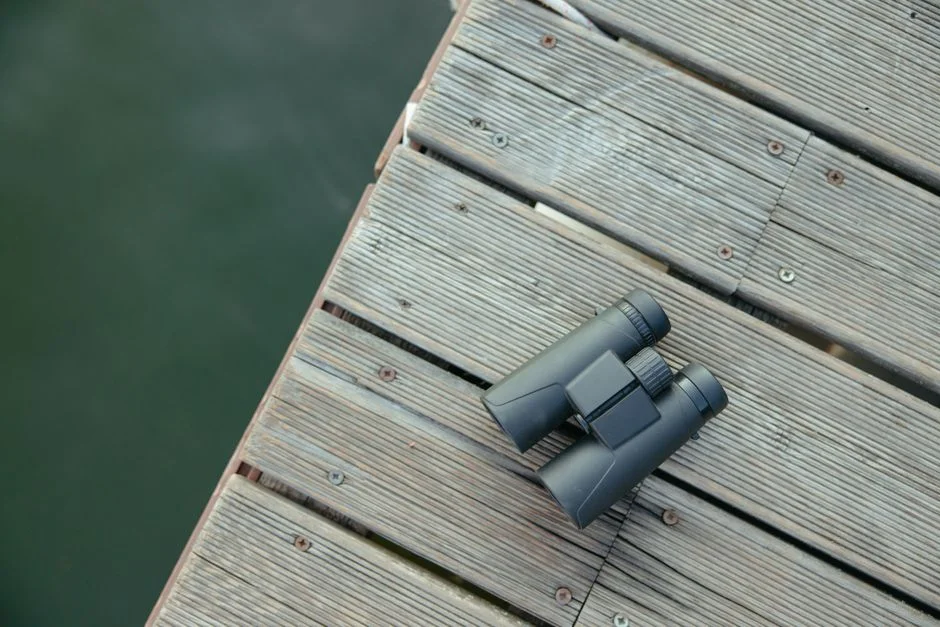
10x magnification provides excellent long-distance viewing capability
See Canon 10x42 L is WP Image Stabilized … on AmazonHolding 10x binoculars steady by hand is harder than most buyers expect. At that magnification, even minor arm tremor translates into visible image shake , and extended viewing sessions become genuinely fatiguing. Canon’s image-stabilized binoculars solve that problem with active optical stabilization, and the 10x42 L IS WP sits at the center of their lineup. If you’ve been researching binoculars for astronomy, birding, or field use, these are worth understanding in detail before you buy.
Canon builds three meaningful options around this stabilization technology, each with different aperture, generation, and magnification trade-offs. This review covers all three.
What to Look For in Canon Image-Stabilized Binoculars
How Image Stabilization Actually Works
Canon uses a gyrosensor-driven prism system that detects angular movement and corrects for it in real time when you press the IS button. This is not software smoothing , the optical element physically shifts to counter shake. The result is that a 10x binocular in Canon’s IS system delivers a view that feels closer to a tripod-mounted 7x than to a handheld 10x.
What this means practically: you recover detail that vibration was masking. Stars resolve more cleanly. Distant shorelines hold still. The effect is most obvious at ranges beyond 200 meters, where atmospheric heat shimmer already limits resolution and added mechanical shake is the last thing you need.
Aperture and What the Number Tells You
The second number in any binocular’s specification , the objective lens diameter in millimeters , determines how much light the instrument gathers. A 10x42 collects substantially more light than a 10x30. That difference is most apparent in low-light conditions: dusk, dawn, heavy overcast, or early astronomical twilight.
The trade-off is weight and bulk. Larger objective lenses require larger housings, heavier prisms, and more structural material. For a buyer who will use binoculars primarily outdoors in daylight, the additional aperture of a 42mm objective may matter less than the reduced weight of a 30mm or 36mm design.
Stabilization Generations: I, II, and III
Canon has released multiple generations of IS technology for binoculars. Generation II and III units offer refined gyrosensor response and reduced stabilization lag compared to earlier versions. In practical field use the difference is modest but real , newer generations lock onto a stable image slightly faster after the IS button is pressed.
If you’re comparing models, generation matters more for use cases with continuous panning , scanning a treeline for birds, tracking a moving boat , than for static astronomical targets where you press IS and hold. For the full range of binoculars using active stabilization across brands, Canon’s IS generations represent the longest-running continuous development lineage in the category.
Waterproofing and Build Standards
The “WP” designation on Canon’s 10x42 means the body is sealed against water intrusion and nitrogen-purged to prevent internal fogging. This matters for field use in wet climates, marine environments, or any application where the binoculars will be used in rain.
Not all IS models in Canon’s range carry WP certification. If your use case includes boating, coastal birding, or mountain weather, that designation is a genuine functional specification , not a marketing label. Understand which models carry it before assuming it’s a given across the lineup.
Optical Quality Baselines
Phase-corrected BAK-4 prisms and multi-layer coatings are the standard to verify in any premium binocular. Canon’s L-series designation on the 10x42 signals extra-low dispersion glass and full multi-coating throughout , the same lens standards applied to their camera optics. For the IS II and IS III models in the midrange, coating quality is solid but the glass specification sits one tier below the L glass. That difference is visible under side-by-side comparison at the edge of the field, particularly at high contrast boundaries.
Top Picks
Canon 10x42 L IS WP
The Canon 10x42 L IS WP is the instrument in this lineup I’d point most buyers toward without qualification. The 42mm aperture is the meaningful differentiator here , it gathers roughly 96% more light by area than a 30mm objective, and that translates directly into usable detail at dawn and dusk, the hours when most birders and astronomy observers are active.
The L-series glass designation is not marketing. Canon applies the same extra-low dispersion glass standards here that they use in their telephoto camera lenses. Chromatic aberration , the color fringing at high-contrast edges that plagues budget optics , is well controlled across the field. Stars show tight, with minimal false color even near field edges.
The WP construction makes this a genuine all-weather instrument. Nitrogen purging prevents fogging when moving between temperature zones , out of a cold car into warm humid air, for instance , and the sealing holds reliably in rain. It is heavier than the 30mm and 36mm options. That’s physics, not a design flaw. Buyers who need the aperture and the waterproofing will find the weight justified.
Check current price on Amazon.
Canon 10x30 Image Stabilization II
For buyers who prioritize portability over maximum light-gathering, the Canon 10x30 IS II is the most practical option in this review. It is noticeably lighter than the 42mm model, which matters more than most buyers anticipate , binoculars that get carried all day are used more than binoculars left in a bag.
The IS II generation stabilization is well executed. Stabilization lag is short, and the correction feels natural rather than mechanical. At 10x with stabilization engaged, handheld views of distant subjects are genuinely steady. The 30mm aperture limits low-light performance relative to the 42mm, but for daytime birding, travel, and casual stargazing under reasonably dark skies, it performs above expectations for its size.
The optical quality here is honest mid-range: good center sharpness, some softening toward field edges, and coatings that handle direct light adequately. I haven’t used this model personally for extended astronomy sessions, but the specifications and stabilization generation make it a credible choice for buyers who value a compact form factor and aren’t sacrificing daylight performance for it.
Check current price on Amazon.
Canon 12x36 Image Stabilization III
The Canon 12x36 IS III occupies a different use case from the other two. The additional magnification , 12x versus 10x , is significant. At that power level, handheld viewing without stabilization is nearly impractical for extended sessions. With IS engaged, the image holds steady enough to be genuinely useful, which is what makes this model worth considering at all.
The IS III generation is Canon’s most refined stabilization technology in this form factor. Response is fast and the correction range handles typical arm fatigue well through a long viewing session. The 36mm aperture is a reasonable compromise for the magnification , not as capable in low light as the 42mm, but substantially lighter than a 12x50 would be.
The honest caveat: 12x magnification amplifies atmospheric turbulence along with everything else. On warm evenings with active heat shimmer near the horizon, a 12x binocular will show more distortion than a 10x at the same target. For stable-air astronomical use , scanning the Milky Way, identifying deep-sky objects, reading crater detail on the Moon , the extra power is a genuine advantage. For terrestrial use in mixed conditions, the 10x models are more forgiving.
Check current price on Amazon.
Buying Guide
Choosing Between 10x and 12x Magnification
Magnification is not a specification where more is unconditionally better. Every increase in power narrows the field of view, amplifies image shake, and makes atmospheric distortion more visible. At 10x with Canon’s IS engaged, most buyers can hold a useful steady image without fatigue for extended periods. At 12x, the stabilization is doing more work and the atmospheric limits become the binding constraint sooner.
For most astronomy and birding applications, 10x is the practical ceiling for handheld binoculars , even stabilized ones. The 12x36 earns its place in stable-air situations and for buyers who specifically need the extra reach.
Aperture: How Much Light Do You Actually Need?
The 30mm, 36mm, and 42mm objectives in this lineup represent three genuinely different light-gathering capabilities. Exit pupil , the diameter of the light cylinder that enters your eye , is calculated by dividing objective diameter by magnification. The 10x30 produces a 3mm exit pupil. The 10x42 produces 4.2mm. At night, a dark-adapted human eye can dilate to 6, 7mm. The 42mm objective is closer to using your eye’s full aperture in low light.
For purely daytime use, this difference is less critical , your pupil stops down to roughly 2, 3mm in bright light anyway. Buy aperture for low-light use cases; buy compact design for daytime portability.
Waterproofing: When It Matters and When It Doesn’t
The WP designation on the 10x42 L is a functional specification, not a style feature. If your binoculars will encounter salt spray, heavy rain, or repeated temperature changes between humid environments, nitrogen-purged sealing prevents the internal fogging that ruins non-sealed optics permanently.
The 10x30 IS II and 12x36 IS III are not rated WP. For dry-climate terrestrial use and indoor astronomy sessions they perform perfectly well. Buyers who primarily observe from the desert Southwest or use binoculars only in fair weather can reasonably skip the WP premium.
Battery Life and the IS Button
Canon’s IS binoculars run on AA batteries and the stabilization engages only when the button is pressed and held. This is a deliberate design choice , it conserves battery life and lets you decide when stabilization is worth the drain. Typical battery life is several hours of active IS use.
Carry spares in the field. A dead battery mid-session in the 12x36 is a more significant problem than the same failure in a non-stabilized binocular, because the 12x design leans harder on IS to be practical. For a broader look at stabilized and non-stabilized options across price tiers, the binoculars hub covers the full landscape.
Fit, Eye Relief, and Extended Sessions
Eye relief , the distance from the eyepiece lens to where your eye needs to be to see the full field , matters most for glasses wearers. Canon’s IS models generally offer 14, 17mm of eye relief, which is adequate for most eyeglass prescriptions when eyecups are folded down. Confirm this specification for whichever model you’re evaluating.
For extended sessions, diopter adjustment and smooth, accessible focusing are the variables that determine comfort over hours. Canon’s IS binoculars have center-focus wheels with reasonable travel and well-calibrated diopter rings. These are not details worth overlooking , an instrument that fits your eyes well is one you’ll actually use.
Frequently Asked Questions
Is image stabilization worth it for astronomy use?
For handheld binocular astronomy, image stabilization is one of the most consequential features available. The Moon, star clusters, and the Milky Way all benefit from a steady image , details that vibration was masking become visible with IS engaged. The trade-off is battery dependence and added weight. For buyers who observe from a fixed location and can use a tripod, the value is lower.
What is the difference between IS II and IS III?
Canon’s IS III generation offers faster stabilization response and reduced lag compared to IS II. In practice, the difference is most noticeable when panning or tracking a moving subject , IS III locks onto stable faster. For static targets like stars or distant landmarks, both generations perform well and the real-world gap is modest. The Canon 12x36 IS III uses the newest generation; the Canon 10x30 IS II uses the previous.
Should I choose the 10x42 or the 10x30 for birding?
It depends on your typical environment and how long you carry the binoculars. The Canon 10x42 L IS WP gathers substantially more light, which matters in forest shade and at dawn or dusk. It is also heavier. The 10x30 is more portable and performs well in open daylight conditions.
Can these binoculars be used on a tripod?
Yes. Canon’s IS binoculars accept a standard tripod adapter via the front accessory thread. On a tripod, the IS system becomes less necessary for static targets but remains useful for any situation where vibration is introduced , boat decks, windy conditions, or long-duration astronomical sessions. The 10x42 on a tripod is a capable instrument for Moon and star cluster observation.
How long do the batteries last on Canon IS binoculars?
Battery life depends on how frequently and for how long you engage IS. Canon rates the IS binoculars for several hours of continuous stabilization use on a fresh set of AAs. In field practice , pressing IS intermittently rather than holding continuously , a set of batteries typically lasts multiple full-day outings. Cold weather reduces battery performance noticeably.
Canon 10x42 L is WP Image Stabilized Binoculars: Pros & Cons
- 10x magnification provides excellent long-distance viewing capability
- Image stabilization reduces hand tremor during extended viewing
- Image stabilization typically increases weight versus non-stabilized models
Where to Buy
Canon 10x42 L is WP Image Stabilized BinocularsSee Canon 10x42 L is WP Image Stabilized … on Amazon