Celestron Binoculars 15x70 Review: Three Models Tested
Affiliate disclosure: Some links on this page are affiliate links. If you buy through them we earn a small commission at no extra cost to you. This never influences which products we recommend — we only suggest things we'd buy ourselves. Product prices and availability are accurate as of the date published and are subject to change. Always check Amazon for current pricing before purchasing. Learn more.

Variable 15-35x zoom magnification offers flexible viewing range
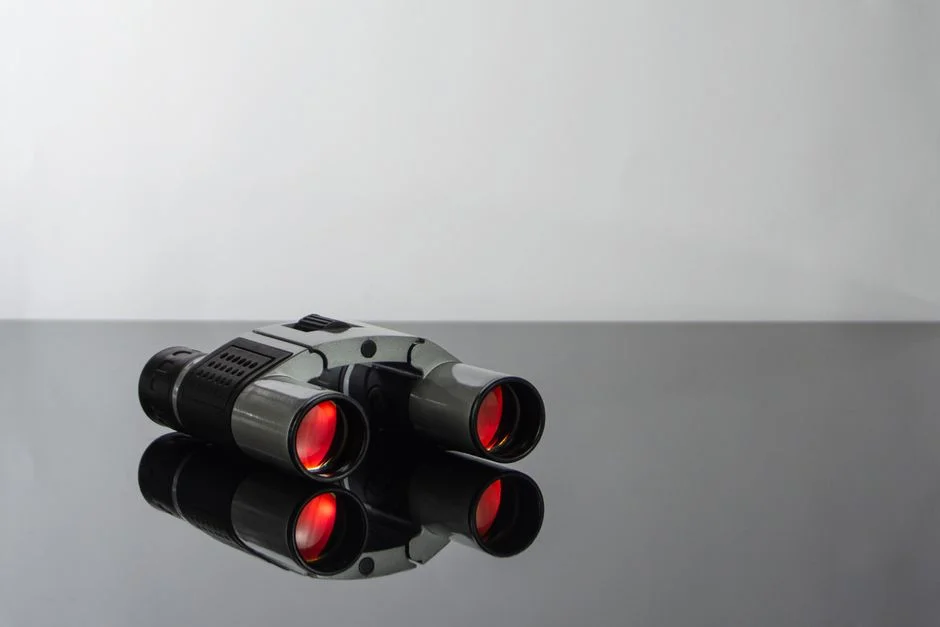
See Celestron SkyMaster 15-35x70 Zoom Bin… on AmazonLarge binoculars for astronomy live in a frustrating middle ground , capable enough to outperform any compact glass, but demanding enough that the wrong choice ends up tripod-mounted and ignored in a corner. The Celestron SkyMaster 15x70 line addresses that tradeoff directly, and it has earned genuine traction among stargazers who want aperture without committing to a telescope. These binoculars reward buyers who understand what 70mm of aperture actually delivers under a dark sky.
The three models reviewed here share that 70mm objective but differ in meaningful ways. A fixed 15x, a zoom covering 15, 35x, and a 25x fixed , each pulls a different buyer. I’ll cover what separates them and which one earns the recommendation.
What to Look For in 15x70 Astronomy Binoculars
Aperture and Light Gathering
The 70mm objective is the defining specification of this class, and it matters more than magnification for astronomy work. A 70mm lens gathers roughly 100 times more light than the naked eye, which translates directly into fainter limiting magnitude. Objects below naked-eye visibility , dim star clusters, faint nebulae, the Andromeda galaxy resolved away from its core , become accessible at this aperture in a way that 50mm binoculars cannot match.
The tradeoff is weight and physical size. A 70mm porro-prism binocular is a substantial instrument. Buyers who underestimate the bulk end up hand-holding at high magnification, which defeats the purpose entirely.
Magnification and Stability
At 15x, hand-holding a 70mm binocular is marginal. Most people can manage it for short sessions on a good night, but image shake becomes fatiguing quickly. At 25x, a tripod is not optional , it is the only way to use the instrument usefully. At 35x from a zoom model, tripod use is mandatory for any target smaller than the full Moon.
The stability requirement is not a defect. It is a consequence of the physics. A good fluid-head tripod or a parallelogram binocular mount transforms these instruments. Budget for support hardware when pricing out this class of binocular.
Optical Quality: ED Glass and Chromatic Aberration
Standard crown-and-flint glass optics at 70mm show chromatic aberration , color fringing , on bright stars and high-contrast edges. At 15x the effect is manageable. At 25x and above it becomes more visible, particularly on Venus, bright doubles, and the lunar limb.
Extra-low dispersion (ED) glass corrects this by slowing the spread of wavelengths through the lens. The difference is most apparent on bright stars against a dark background: standard glass shows a slight blue or purple halo, ED glass keeps the star point clean. For pure deep-sky work , star clusters, galaxies, nebulae , the difference is less dramatic than manufacturers suggest. For planetary or lunar use at higher magnification, it is worth the cost difference.
Exit Pupil and Eye Relief
Exit pupil is calculated by dividing objective diameter by magnification: 70 ÷ 15 = 4.7mm. That is close to ideal for a fully dark-adapted eye under a moderately dark sky. At 25x it drops to 2.8mm, which is comfortable under a dark sky but starts to look dim under suburban conditions.
Eye relief , the distance from the eyepiece to where the full field is visible , matters for eyeglass wearers. Most 15x70 binoculars offer 15, 18mm of eye relief at the 15x end. Zoom models typically shorten at higher magnifications. Eyeglass wearers should check the manufacturer’s eye relief spec at the highest power they intend to use.
Exploring the full range of astronomy binoculars before settling on a magnification range is worth the time, particularly if you plan to use them across multiple activities.
Top Picks
Celestron SkyMaster 15-35x70 Zoom Binoculars
The Celestron SkyMaster 15-35x70 is the most versatile option in this comparison. The zoom range covers everything from a wide 15x field useful for scanning the Milky Way to a compressed 35x view that can resolve individual stars in tight clusters. That flexibility has real value for observers who move between sweeping and targeted viewing in a single session.
The zoom mechanism adds weight and mechanical complexity. At 35x the image quality is softer than a fixed-focal-length binocular at comparable magnification , this is a physical reality of zoom eyepieces, not a manufacturing defect. For astronomy purposes the 15, 20x range is where this instrument performs best, and at that end the views are sharp and contrasty.
Tripod use is recommended from 20x upward. At 35x on a good tripod, the Pleiades cluster shows cleanly, the Double Cluster in Perseus resolves into individual stars, and the Beehive Cluster (M44) fills the field. Those are not trivial results for a mid-range binocular. The zoom is also genuinely useful for terrestrial viewing , birding, wildlife, maritime , where switching magnification on a single instrument saves carrying multiple pairs.
Check current price on Amazon.
Celestron SkyMaster Pro ED 15x70 Binocular
The Celestron SkyMaster Pro ED 15x70 is the strongest performer in this group for dedicated astronomy use. The ED glass designation is the key differentiator. At 15x on bright stars, the image is noticeably cleaner than standard glass , the star points hold together without the faint color halo that becomes a background irritant during long sessions.
The fixed 15x magnification is a deliberate choice for a deep-sky instrument. It produces a 4.7mm exit pupil that pairs well with a dark-adapted eye, and the wider true field of view , relative to the 25x model , keeps large targets like the Orion Nebula and the Pleiades fully framed. I’ve used fixed 15x binoculars at the Salinas Pueblo dark sky site under genuinely dark conditions, and the aperture-to-magnification ratio at this specification is well-matched to what that sky rewards.
The weight is comparable to the other 70mm instruments here. Tripod use extends sessions significantly , hand-holding through an hour of deep-sky scanning is tiring with any 70mm binocular, ED glass or otherwise. The Pro ED version justifies its price step over the standard SkyMaster primarily for observers who push into brighter targets or use the binoculars in suburban conditions where contrast matters.
Check current price on Amazon.
Celestron SkyMaster 25x70 Binoculars
The Celestron SkyMaster 25x70 occupies a specific niche: buyers who want maximum magnification from a 70mm binocular and are fully committed to tripod use. At 25x, the exit pupil drops to 2.8mm. That is not a problem under a dark sky, but it requires a steadier eye placement at the eyepiece than the 15x models.
The practical advantage of 25x is real for certain targets. Globular clusters like M13 and M22 show more structure. The Moon fills the field with surface detail that the 15x models cannot match. The Beehive resolves more cleanly. For observers whose primary interest is high-magnification lunar and cluster work rather than wide-field Milky Way scanning, 25x is a logical choice.
The limitation is equally real. Any target much larger than a degree , the Orion Nebula complex, the Perseus double cluster region, wide open clusters , gets cropped uncomfortably. This is not a wide-field deep-sky instrument. Buyers who want to sweep large areas of the sky, or who come to binocular astronomy from a sweeping and scanning background, will find the 25x field frustrating. For those who already own or plan to acquire a wide-field binocular and want this as a complementary high-power instrument, the case is stronger.
Check current price on Amazon.
Buying Guide
Fixed vs. Zoom Magnification
The choice between fixed and zoom magnification is less about optical quality and more about how you observe. Zoom binoculars offer flexibility , a single instrument covers the full range from wide-field sweeping to close-in detail work. Fixed binoculars optimize for a single magnification and tend to deliver better edge sharpness and field flatness at that power.
For astronomy, fixed magnification wins in most scenarios. The 15x focal length is well-matched to the 70mm aperture for deep-sky work, and you are unlikely to wish for more power while tracking a faint galaxy. The zoom’s advantage shows up in mixed-use situations , terrestrial viewing, travel , where switching instruments is inconvenient.
Tripod Selection and Mount Type
A tripod is mandatory equipment for 70mm binoculars used above 15x for any sustained period. The minimum useful specification is a fluid-head video tripod with a pan bar , a standard photography ball head is technically functional but awkward to reposition while tracking a moving field.
A parallelogram binocular mount is the right tool for extended astronomy sessions. It allows smooth vertical adjustment while maintaining a seated or comfortable standing position, which matters when you are spending an hour working through the Messier catalog. It is a meaningful additional cost, but it transforms the instrument from a casual observing tool to a serious one.
Buyers browsing the wider binoculars category should factor mount hardware into the total cost before committing to a 70mm aperture class instrument.
ED Glass: When It Matters
Extra-low dispersion glass reduces chromatic aberration , the color fringing visible on high-contrast edges and bright stars. At 15x this effect is subtle but present in standard glass. It becomes more visible at 25x and above. For observers whose primary targets are faint deep-sky objects , galaxies, nebulae, star clusters , the difference is less critical. For observers who use their binoculars across lunar, planetary, and terrestrial targets, or who observe under suburban skies where contrast is already compromised, ED glass is a worthwhile investment.
The SkyMaster Pro ED is the only model in this group with ED glass. The price step is moderate, and for a primary astronomy instrument intended for long-term use, the optical improvement justifies it.
Eye Relief and Eyeglass Use
Eye relief is the distance at which the full field remains visible. Observers who wear eyeglasses during observing , rather than removing them , need at minimum 14mm of eye relief, and 16mm or more is more comfortable. At 15x, most instruments in this class meet that threshold. Zoom models often reduce eye relief at the high end of their range. If you wear glasses and are considering the 15-35x zoom, verify the manufacturer’s specified eye relief at 35x before purchasing.
Single-Use vs. Multi-Use Considerations
A 70mm astronomy binocular is a specialized instrument. It performs its intended job well, but its weight and bulk make it a poor choice for hiking, travel, or casual daytime use. Buyers who want a single binocular for astronomy and outdoor activities will find the compromise unsatisfying , the instrument is too large to carry conveniently, and a 4.7mm exit pupil in bright daylight is dimmer than a smaller binocular with the same aperture-to-magnification ratio.
The most rational approach is to own a compact general-purpose binocular and add a 70mm astronomy instrument as a dedicated tool. Buyers attempting to cover both needs with a single 70mm model will likely find themselves with a specialized instrument that sees less use than expected.
Frequently Asked Questions
Do I need a tripod to use 15x70 binoculars for astronomy?
For sustained sessions, yes. At 15x, a practiced observer can hand-hold a 70mm binocular for short periods, but image shake is fatiguing and degrades fine detail. For targets requiring focused attention , globular clusters, double stars, planetary detail , a tripod eliminates shake and extends observing time significantly. At 25x, hand-holding is not a realistic option.
What is the difference between the SkyMaster Pro ED and the standard SkyMaster 15x70?
The Pro ED uses extra-low dispersion glass in the objective lenses, which reduces chromatic aberration , color fringing , on bright stars and high-contrast targets. The standard SkyMaster uses conventional glass and shows measurably more fringing at high magnification. For deep-sky targets like galaxies and nebulae the difference is subtle. For lunar and planetary use, the ED glass produces a noticeably cleaner image.
Is 25x magnification better than 15x for astronomy?
Not universally. Higher magnification narrows the true field of view and reduces exit pupil size, which can make faint extended objects appear dimmer. The Celestron SkyMaster 25x70 resolves more detail in compact targets like globular clusters, but the Celestron SkyMaster Pro ED 15x70 frames large targets , open clusters, nebulae, the Milky Way core , far more effectively.
Can these binoculars be used for daytime viewing as well as astronomy?
Yes, though with some tradeoffs. The 70mm aperture is more than necessary in full daylight, and a 4.7mm exit pupil performs adequately under bright conditions. The weight and bulk make them awkward for handheld daytime use , birding or wildlife observation. The zoom model has the most practical daytime application because the variable magnification adapts to different subject distances.
How does the 15-35x zoom compare to the fixed 15x Pro ED for astronomy?
The zoom offers flexibility the fixed model cannot match. For mixed-use owners or observers who want variable power for different targets, it is a genuine advantage. Optically, the fixed Celestron SkyMaster Pro ED 15x70 outperforms the zoom at 15x , the zoom eyepiece introduces edge softness and reduced contrast that a fixed design avoids. For a dedicated astronomy instrument, the Pro ED is the stronger choice.
Celestron SkyMaster 15-35x70 Zoom Binoculars – Powerful Long-Range Binoculars for Astronomy & Outdoor Use – High: Pros & Cons
- Variable 15-35x zoom magnification offers flexible viewing range
- 70mm objective lens provides excellent light gathering ability
- Larger 70mm objective makes binoculars heavier and less portable
Where to Buy
Celestron SkyMaster 15-35x70 Zoom Binoculars – Powerful Long-Range Binoculars for Astronomy & Outdoor Use – HighSee Celestron SkyMaster 15-35x70 Zoom Bin… on Amazon