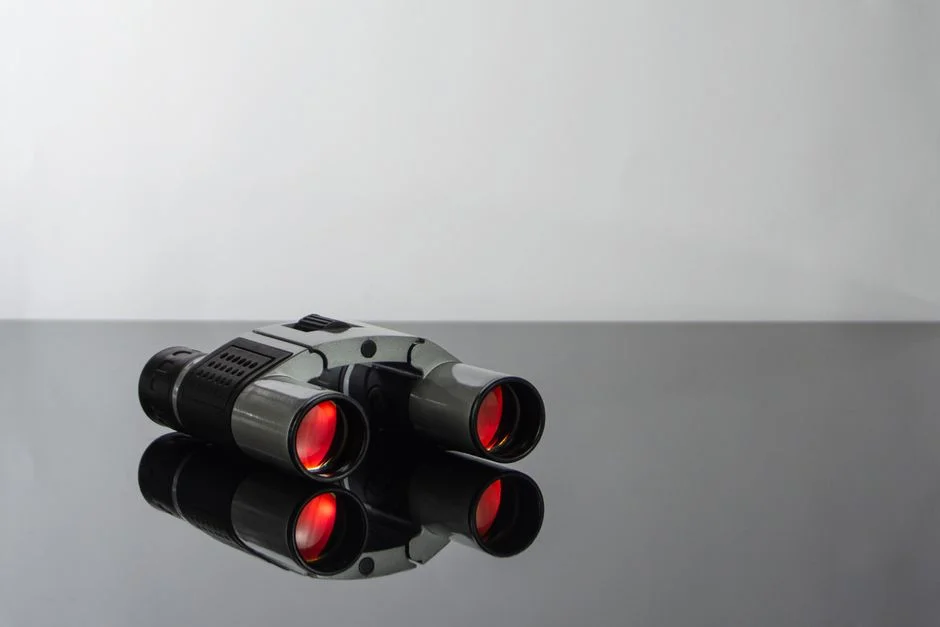
Image Stabilizing Binoculars Buyer's Guide: Top Picks
Affiliate disclosure: Some links on this page are affiliate links. If you buy through them we earn a small commission at no extra cost to you. This never influences which products we recommend — we only suggest things we'd buy ourselves. Product prices and availability are accurate as of the date published and are subject to change. Always check Amazon for current pricing before purchasing. Learn more.
Quick Picks
Canon 10x30 Image Stabilization II Binoculars
10x magnification provides excellent long-distance viewing clarity
Buy on AmazonCanon 12x36 Image Stabilization III Binoculars
12x magnification provides excellent long-distance viewing capability
Buy on AmazonCanon 18x50 Image Stabilization All-Weather Binoculars w/Case, Neck Strap & Batteries
18x50 magnification provides excellent long-distance viewing capability
Buy on Amazon| Product | Price Range | Top Strength | Key Weakness | Buy |
|---|---|---|---|---|
| Canon 10x30 Image Stabilization II Binoculars best overall | $$ | 10x magnification provides excellent long-distance viewing clarity | Stabilization technology increases weight versus non-stabilized models | Buy on Amazon |
| Canon 12x36 Image Stabilization III Binoculars also consider | $$ | 12x magnification provides excellent long-distance viewing capability | Higher magnification may require steady support or tripod mount | Buy on Amazon |
| Canon 18x50 Image Stabilization All-Weather Binoculars w/Case, Neck Strap & Batteries also consider | $$ | 18x50 magnification provides excellent long-distance viewing capability | Higher magnification requires steady hand or tripod support | Buy on Amazon |
| Canon 10x42 L is WP Image Stabilized Binoculars also consider | $$ | 10x magnification provides excellent long-distance viewing capability | Image stabilization typically increases weight versus non-stabilized models | Buy on Amazon |
| Canon 4625A002 15x50 is Image Stabilized Binocular also consider | $$ | 15x50 magnification and objective lens provide excellent long-distance viewing | Larger 50mm objective may increase weight and reduce portability | Buy on Amazon |
Image stabilization solves one specific problem in handheld optics: at higher magnifications, even a steady hand transmits enough physiological tremor to turn a sharp image into a blur. Conventional binoculars above 10x become genuinely difficult to use without a tripod. Canon’s IS line addresses that with gyroscopic stabilization built into the optical path , press a button, and the image locks. Binoculars in this category occupy a narrow but serious niche, and choosing correctly means understanding how the stabilization system interacts with magnification, objective size, and intended use.
The evaluation factors here are not complicated, but they’re specific. Stabilization generation, magnification-to-aperture ratio, and weather sealing all affect real-world performance in ways that raw specs don’t capture.
What to Look For in Image Stabilizing Binoculars
How Image Stabilization Technology Actually Works
Canon’s IS binoculars use an angular velocity sensor to detect hand motion, then drive a shift-lens element inside the optical path to compensate. The result is that you’re not just mechanically dampening vibration , you’re actively correcting the image plane. That distinction matters because it works while you’re panning or tracking, not just when you’re holding still.
The generation of the IS system , II versus III , reflects refinements in sensor responsiveness and power efficiency. IS III, used in the 12x36, draws less battery and responds faster to motion onset. For buyers who use stabilized binoculars in extended sessions, that matters more than the generational designation might suggest.
One practical note: the stabilization activates only while the button is held. You’ll hold it continuously during serious viewing. Factor that into your hand fatigue assessment for long sessions at high magnification.
Magnification and Aperture: The Trade-Off That Defines the Category
In a stabilized binocular, you can push magnification further than you’d tolerate in a conventional glass without needing a tripod. That’s the whole point. But magnification still multiplies every limitation in the optical path , atmospheric turbulence, optical aberrations at the edge of the field, and exit pupil reduction all scale with power.
Aperture governs how much light the system collects. A 30mm objective at 10x gives a 3mm exit pupil, workable in daylight but dim at dusk. A 50mm objective at 18x gives the same 2.8mm exit pupil , fine for bright-field use, but marginal in low light. Matching aperture to your observing conditions is more important than maximizing magnification.
For astronomy use specifically, larger aperture matters more than magnification. A 50mm objective at 15x will show more in a dark sky than a 30mm objective at 12x, stabilization advantages held equal.
Weather Sealing and Field Durability
All-weather construction means the housing is sealed against moisture ingress and nitrogen-purged to prevent internal fogging. For any outdoor application , astronomy, wildlife, marine use , this is not an optional feature. An unsealed binocular used in coastal air or a damp forest will eventually fog internally, and that’s not a field-serviceable problem.
Canon offers weather sealing at different levels across the IS lineup. The 18x50 carries an all-weather designation. The 10x42 L IS WP carries a waterproof rating. These are not identical certifications. WP-rated construction is submersion-resistant; all-weather handles rain and condensation. Know which environment you’re buying for before treating these as equivalent.
Exploring the full range of stabilized and conventional binoculars before settling on a specification is worth doing , the category spans enough variation that a 20-minute comparison read will prevent a specification mismatch.
Top Picks
Canon 10x30 Image Stabilization II Binoculars
The 10x30 IS II is the entry point to Canon’s stabilized lineup, and it earns its position as the best overall recommendation because the magnification-to-aperture ratio is sensible, the IS II system is proven, and the form factor is genuinely portable. At 10x magnification, you’re in a range where stabilization pays dividends without demanding the largest objective lens Canon makes.
I haven’t used this personally, but the optical specifications are consistent with what Canon produces at the 30mm aperture , a 3mm exit pupil is fine for daylight and general astronomy use at moderate dark-sky sites. The IS II system is not the most current generation, but it’s well-documented in long-term use across the Canon IS user community on Cloudy Nights.
The trade-off is aperture. Thirty millimeters limits light grasp relative to the 42mm or 50mm models. For daytime wildlife or sporting use, that’s not a constraint. For deep-sky astronomy under a dark sky, it’s a real limitation. The 10x30 is the right choice for a general-purpose stabilized binocular; it’s not the right choice if your primary application is faint objects.
Check current price on Amazon.
Canon 12x36 Image Stabilization III Binoculars
The 12x36 IS III represents the most current stabilization generation Canon offers in a compact form. IS III brings improved battery efficiency and faster angular velocity response versus IS II , the difference is most noticeable during active panning, where IS II can lag slightly before the correction locks in.
Twelve power on a 36mm objective gives a 3mm exit pupil, same as the 10x30. The extra two powers of magnification close detail at distance , useful for wildlife, sporting events, and scanning open star clusters , but the aperture ceiling stays the same. This is a lateral move from the 10x30, not a straight upgrade. The right question is whether you need 12x or 10x for your primary use case.
For astronomy, I’d note that 12x on a 36mm aperture is a respectable combination for Messier sweeping. You won’t split tight double stars or reach faint objects, but the Pleiades, Hyades, and the brighter Messier clusters look excellent at this specification , stabilized, which is the part that changes the experience.
Check current price on Amazon.
Canon 18x50 Image Stabilization All-Weather Binoculars w/Case, Neck Strap & Batteries
Eighteen power is where image stabilization stops being a convenience and becomes a prerequisite. Without IS, 18x handheld is essentially unusable for sustained viewing , the physiological tremor at that magnification turns a sharp image into a shudder. The 18x50 IS is the binocular that makes this specification viable in a hand-held form.
The 50mm objective at 18x yields a 2.8mm exit pupil. That’s sufficient for daylight and well-lit conditions, but I’d call it the lower edge of comfortable for twilight astronomy. The all-weather construction is the right feature set for a glass this large , if you’re carrying an 18x50 into the field, you’re not treating it as a casual instrument, and protecting the investment with a sealed housing makes sense.
This is the pick for serious long-range use: scanning ridgelines for wildlife, fixed-position marine observation, or astronomical use where you want the aperture advantage at a dark site and you’re willing to carry the weight. It is not a hiking glass. The weight and bulk are the honest trade for what the specification delivers.
Check current price on Amazon.
Canon 10x42 L is WP Image Stabilized Binoculars
The 10x42 L IS WP is Canon’s serious outdoor instrument , L-series glass, waterproof construction, and a 42mm aperture that provides meaningful light advantage over the 30mm and 36mm models in the lineup. The 4.2mm exit pupil at 10x is usable into early twilight and comfortable for extended observation periods.
The L designation means Canon’s highest-grade optical glass, with fluorite or UD elements reducing chromatic aberration at the edges. For users who care about color fidelity and edge-of-field performance , wildlife photographers, serious birders, astronomers evaluating star colors , that distinction is real, not marketing. I’d defer to Cloudy Nights reviews for direct optical comparison against the standard IS models, but the aperture and glass quality advantage is well-established.
The price premium over the 10x30 IS II is significant. The justification is the optical quality and the waterproof rating. If your primary use is at dark-sky sites or in wet environments, the 10x42 L IS WP earns the premium. If you observe from your backyard in dry conditions and don’t need submersion resistance, the 10x30 covers you at lower cost.
Check current price on Amazon.
Canon 4625A002 15x50 is Image Stabilized Binocular
The 15x50 IS occupies the space between the 12x36 compact and the 18x50 all-weather instrument , 15 powers of stabilized magnification on a 50mm aperture that actually delivers a usable exit pupil. At 3.3mm, the 15x50 gives more light per unit magnification than the 18x50, which matters if you’re using these at dusk or under partially illuminated skies.
For astronomy, 15x50 is a compelling specification. You’re covering enough sky to sweep open clusters, resolve the edges of the larger Messier objects, and find targets efficiently. The aperture supports this work where the 36mm models start to strain. I haven’t personally compared the 15x50 IS against the 18x50 side-by-side, but the aperture-to-magnification ratio is more balanced, and the exit pupil math works out in its favor for low-light conditions.
This is the pick I’d direct toward buyers whose primary use is astronomy with occasional daytime use. The 50mm aperture and 15x magnification hit the intersection where image stabilization, light grasp, and manageable weight converge most cleanly in Canon’s IS catalog.
Check current price on Amazon.
Buying Guide
Matching Magnification to Application
Stabilization doesn’t eliminate the downstream effects of high magnification , it removes one source of blur. Atmospheric turbulence, heat shimmer, and optical aberrations at the field edge all scale with magnification regardless of how steady the image is. For daytime terrestrial use, 10x, 12x covers most applications without pushing into the atmospheric ceiling. For astronomy from a moderate dark-sky site, 15x, 18x becomes viable because the limiting factor shifts from hand shake to sky transparency.
The practical guidance: choose the lowest magnification that resolves the detail you need. Higher isn’t better if the atmosphere or optics are the limiting factor. Stabilization shifts the constraint from your hands to the environment.
Aperture and Exit Pupil in Low Light
Exit pupil , objective diameter divided by magnification , governs how the binocular performs as light drops. A 4mm or larger exit pupil gives your eye enough signal to work comfortably into twilight. Below 3mm, you’re relying on bright targets or full daylight. The 10x42 L IS WP at 4.2mm and the 15x50 IS at 3.3mm are the two models in this lineup best suited to extended low-light use.
For astronomy specifically, the dark-adapted human pupil opens to approximately 7mm , meaning any binocular with a smaller exit pupil is leaving aperture on the table relative to what your eye can accept. A 50mm objective at 7x would theoretically match fully dark-adapted vision, but IS binoculars start at 10x. Work with the physics , aperture first, then match magnification to your application.
Weight and Carry Configuration
Image stabilization adds weight. The electronics, motor, and shift-lens assembly add meaningful mass compared to equivalent non-stabilized models. For stationary observation , a deck chair, a ship rail, a fixed perch , that weight is irrelevant. For hiking or multi-day pack trips, the weight budget matters, and the 10x30 IS II is the lightest practical option in the Canon IS lineup.
All five models in this lineup use a button-held stabilization activation. You’ll carry the weight whether the IS is on or not. If you’re evaluating IS binoculars for backpacking astronomy, weigh the full unit loaded with batteries before committing.
Battery Dependence and Field Reliability
Every Canon IS binocular runs on AA batteries. The stabilization system draws continuously while active. In cold conditions , which apply at altitude or during winter astronomy sessions , battery performance degrades, and the IS system will drain a set faster than room-temperature estimates suggest. Carry spare batteries. The 15x50 IS and 18x50 are particularly dependent on this because at those magnifications, the binocular is substantially less useful without stabilization active.
Exploring the range of binocular options with different power requirements , including passive optics that need no batteries , is worth doing if field reliability in cold or remote conditions is a priority for your use case.
Waterproofing and Real-World Weather Resistance
The distinction between “all-weather” and “waterproof” isn’t semantic. All-weather construction handles rain, condensation, and splashing. Waterproof construction , as on the 10x42 L IS WP , survives brief submersion and sustained water exposure. For boating or saltwater environments, WP-rated construction is the minimum. For general outdoor use in variable weather, all-weather sealing is adequate.
Both sealing standards use nitrogen purging to prevent internal fogging from temperature change. That matters as much as moisture resistance , an unsealed binocular moved from a cold car to warm, humid air will fog internally. Sealed construction prevents that failure mode regardless of whether full submersion is ever a risk.
Frequently Asked Questions
What is the difference between Canon IS II and IS III technology?
IS III, used in the 12x36, offers faster sensor response and better battery efficiency compared to IS II in the 10x30. In practice, IS III locks onto a steady image more quickly during active panning or target acquisition. IS II remains a proven and reliable system , the difference is incremental rather than fundamental, and both systems perform well for sustained viewing.
Do Canon IS binoculars work for astronomy?
Yes, particularly the 15x50 IS and 18x50 models, which offer enough aperture and magnification to be genuinely useful at dark-sky sites. The 10x42 L IS WP is also well-suited to astronomy with its larger aperture and twilight-capable exit pupil. Stabilization is especially valuable for astronomy because it allows extended, tremor-free views of star clusters, the Milky Way core, and brighter nebulae without requiring a tripod.
How long do batteries last in Canon IS binoculars?
Battery life varies by model and usage conditions, but expect meaningful drain during an active astronomy session with stabilization held continuously. Cold temperatures reduce battery performance substantially. Carry a spare set of AAs for any session longer than two hours or in temperatures below 50°F. The IS system does not function without battery power, which reduces higher-magnification models to marginal usability without active stabilization.
Should I choose the 15x50 or the 18x50 for nighttime use?
For general astronomy, the Canon 4625A002 15x50 IS has a slight advantage , the 3.3mm exit pupil gives more light per unit magnification than the 18x50’s 2.8mm, which helps at dusk and under moderately dark skies. The Canon 18x50 IS All-Weather is the stronger choice if you’re doing long-range daytime work or observing bright objects in full dark where the exit pupil difference is less limiting.
Can I use Canon IS binoculars on a tripod?
Yes, all Canon IS binoculars include a tripod adapter thread under the front hinge cap. Tripod mounting is useful for prolonged stationary observation , it removes the weight burden and extends the IS battery by reducing how often you hold the activation button. For astronomy, a parallelogram mount or a simple fluid head tripod substantially improves the experience with the larger and heavier models like the 18x50 and 15x50.
Where to Buy
Canon 10x30 Image Stabilization II BinocularsSee Canon 10x30 Image Stabilization II Bi… on Amazon